
Nutrients and Their Basic Functions
January 2026
Why Nutrients Matter
Your body requires nutrients from food to function. These come in two main categories: macronutrients (needed in larger quantities) and micronutrients (vitamins and minerals). This article focuses on macronutrients—proteins, carbohydrates, and fats—and their fundamental roles in your body.
All three macronutrients are essential. Your body needs all of them working together to maintain tissues, produce energy, regulate hormones, support immunity, and perform countless other functions.

Proteins: Building Blocks
Structure and Function
Proteins are made of amino acids—small molecules linked together in various combinations. Your body can synthesize some amino acids, but nine are "essential" and must come from food.
Proteins have many roles: building and maintaining muscle tissue, forming enzymes that enable biochemical reactions, producing hormones that regulate bodily processes, creating immune system components, making structural components of skin and connective tissue, and much more.
Sources of Protein
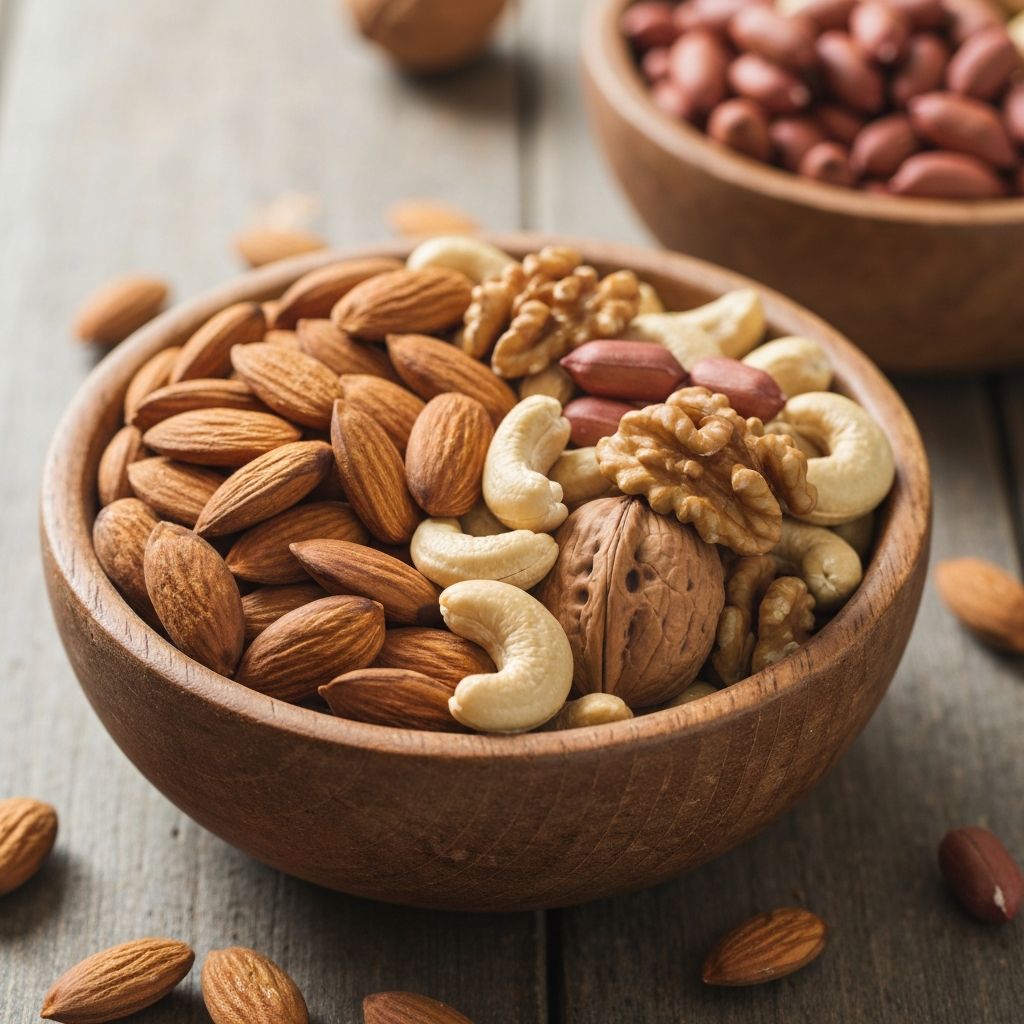
Animal sources include meat, fish, poultry, eggs, and dairy. Plant sources include legumes (beans, lentils), nuts, seeds, whole grains, and soy products. Variety ensures you get diverse amino acid profiles and other nutrients.
Protein and Tissue Maintenance
Muscle tissue is constantly being broken down and rebuilt. Protein intake supports this maintenance process. The amount needed varies based on age, activity level, and individual factors.
Carbohydrates: Energy and More
Types of Carbohydrates
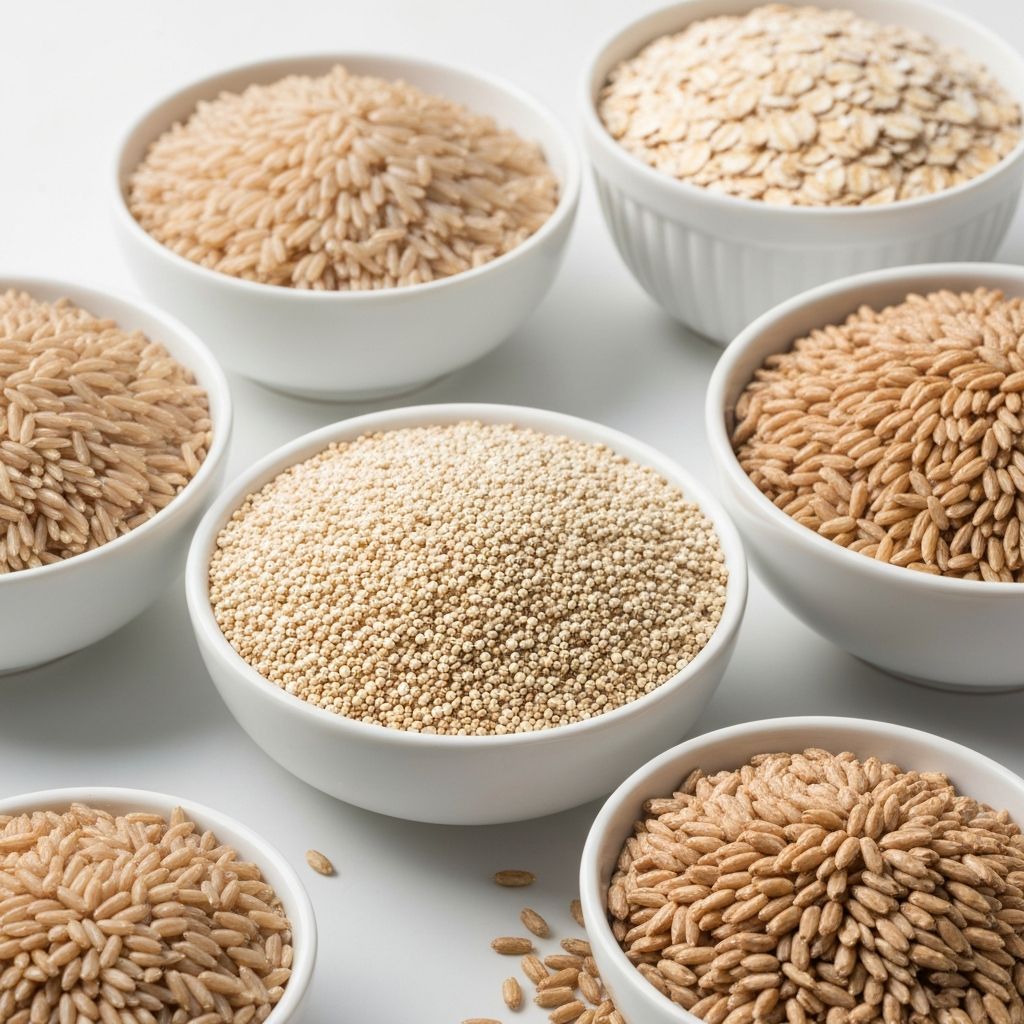
Carbohydrates include simple sugars and complex carbohydrates. Complex carbohydrates—starches and fiber—come from whole food sources like grains, legumes, vegetables, and fruits. These provide sustained energy and often include fiber for digestive health.
Primary Function: Energy
Carbohydrates are your body's preferred energy source, especially for your brain and during exercise. Your body converts dietary carbohydrates into glucose, which powers cells. Excess glucose is stored as glycogen in muscles and liver for later use.
Sources and Variety
Whole food carbohydrate sources include vegetables, fruits, whole grains (brown rice, oats, whole wheat), legumes (beans, lentils), and starchy vegetables (potatoes, sweet potatoes). These provide carbohydrates along with fiber, vitamins, minerals, and phytonutrients.
Fiber: A Special Case
Dietary fiber, a type of carbohydrate, is not digested for energy but plays important roles: supporting digestive health, feeding beneficial gut bacteria, helping regulate blood sugar, and promoting satiety.
Carbohydrates and Exercise
During exercise, your body uses glycogen (stored carbohydrate) as fuel. Adequate carbohydrate intake supports exercise performance, recovery, and muscle maintenance. Post-exercise carbohydrate consumption helps replenish glycogen stores.
Fats: Essential and Often Misunderstood
Why Dietary Fat Matters
Fats are essential for numerous physiological processes. Your brain is largely composed of fat. Cell membranes throughout your body contain fats. Fats are required for absorbing fat-soluble vitamins (A, D, E, K). Fats are precursors to hormones and signaling molecules.
Types of Fatty Acids
Different fatty acids have different roles. Omega-3 and omega-6 polyunsaturated fats are "essential"—your body cannot make them, so they must come from food. Monounsaturated fats are also beneficial. Saturated fats play roles in hormone production and other functions.
Sources of Fat
Healthy fat sources include nuts and seeds (almonds, walnuts, flaxseeds), fatty fish (salmon, sardines), avocados, olive oil, and whole foods. These provide fat along with other beneficial compounds.
Fat as Fuel
Fat is an energy-dense macronutrient (9 calories per gram, compared to 4 for protein and carbohydrates). Your body uses fat for fuel, especially during lower-intensity activities and at rest.

How Macronutrients Work Together
Balanced Nutrition
Your body works best with all three macronutrients. Protein maintains tissues. Carbohydrates provide energy. Fats support hormone production, nutrient absorption, and many cellular functions.
Different activities and individual factors influence optimal macronutrient ratios. Someone training intensively might have different carbohydrate needs than someone sedentary. Age, metabolism, and health conditions all affect requirements.
Food Synergy
Whole foods naturally contain multiple nutrients. A handful of nuts provides protein, fat, and carbohydrates along with vitamins, minerals, and phytonutrients. Whole grains provide carbohydrates along with protein, fiber, and micronutrients. This combination provides more complete nutrition than isolated macronutrients.
Meeting Your Nutrient Needs
Variety Matters Most
Eating a variety of whole foods—vegetables, fruits, whole grains, legumes, nuts, seeds, fish, eggs, and other protein sources—naturally provides the macronutrients and micronutrients your body needs.
Individual needs vary based on age, sex, activity level, health status, and other factors. What works for one person may not be optimal for another. The principles—variety, whole foods, and balance—apply universally.
Continue Your Learning
Explore more articles about body composition and nutrition science.
View All ArticlesEducational content only. No medical services. No promises of outcomes.
This article provides informational content about nutrients and their functions. It is not personalized dietary advice. Individual nutritional needs vary based on health status, activity level, and other factors. For personalized nutrition guidance, please consult with a qualified healthcare professional or registered dietitian.