
Everyday Influences on Metabolic Processes
January 2026
Understanding Metabolism
Metabolism refers to all the chemical processes that occur in your body to keep you alive and functioning. This includes energy production, nutrient processing, hormone synthesis, immune function, and countless other processes.
Your metabolic rate—the speed at which these processes occur—is influenced by many factors. Some are fixed (genetics, age, sex), but many are modifiable through daily choices: activity level, nutrition, sleep, and hydration.
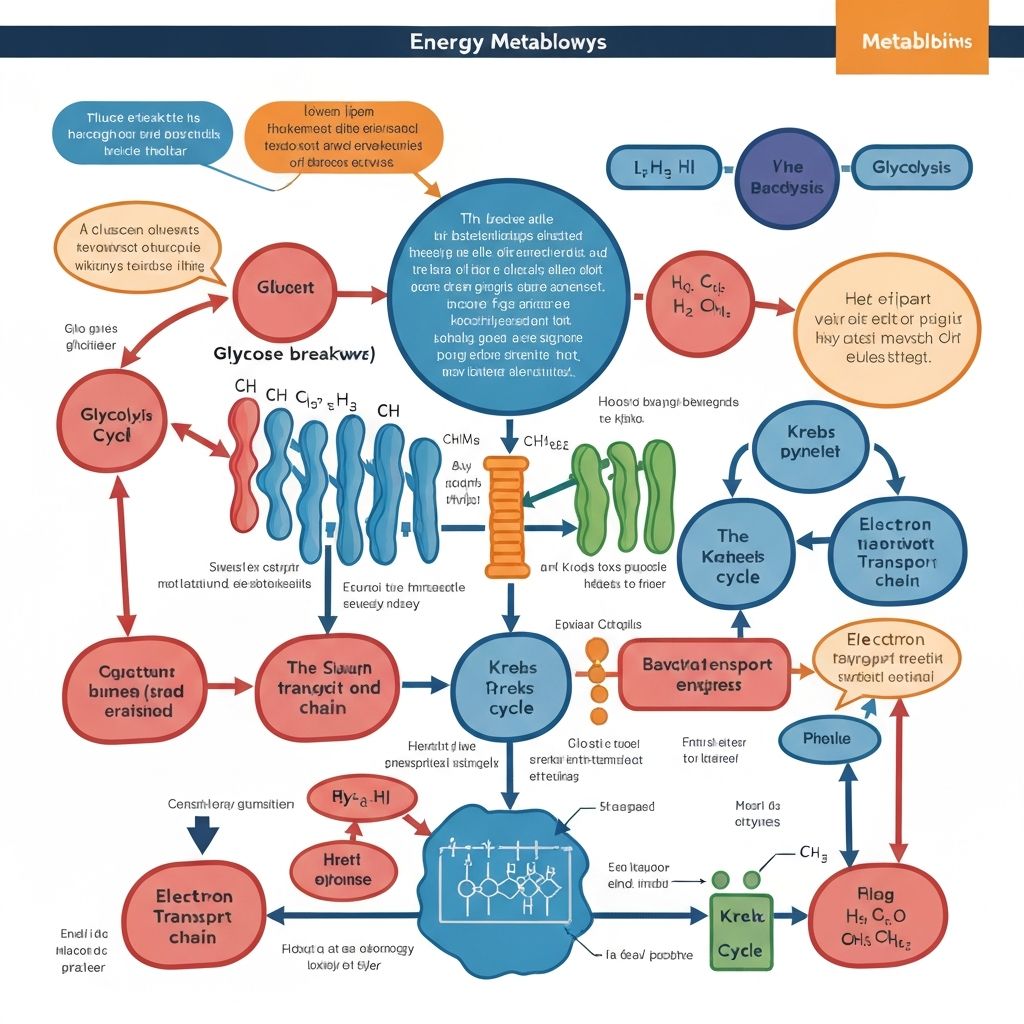
Daily Energy Expenditure

Components of Energy Expenditure
Basal Metabolic Rate (BMR) is the energy your body expends at rest to maintain basic functions: breathing, circulation, cell turnover, hormone production. This accounts for the largest portion of daily energy expenditure.
Activity Energy Expenditure includes intentional exercise and non-exercise activity. This varies greatly based on activity level.
Non-Exercise Activity Thermogenesis (NEAT) refers to energy expended in daily living: walking, working, fidgeting, maintaining posture. This can be substantial and varies among individuals.
Thermic Effect of Food (TEF) is the energy required to digest, absorb, and process nutrients. Different macronutrients require different amounts of energy to process.
Total Daily Energy Expenditure
Your total daily energy expenditure (TDEE) is the sum of these components. It varies day to day based on activity, food intake, stress, sleep, and other factors.
The Role of Physical Activity
Immediate Effects
Exercise increases energy expenditure during and after activity. Different types of activity have different effects: strength training builds muscle, which is metabolically active; cardiovascular exercise burns significant energy during activity; flexibility and balance work supports functional movement.
Longer-Term Adaptations
Regular physical activity influences metabolic rate and tissue composition. Sustained activity supports muscle maintenance and can influence mitochondrial function (mitochondria are cellular "powerhouses"). Activity also affects hormonal balance and metabolic flexibility—your body's ability to use different fuel sources.
Daily Movement Matters
All movement contributes to energy expenditure. Walking, gardening, occupational activity, and general movement throughout the day add up. Sedentary time has metabolic consequences, while regular movement supports metabolic health.
Activity and Recovery
After exercise, your body remains in an elevated metabolic state. Muscle protein synthesis—the building of new muscle protein—occurs during recovery. Adequate nutrition and rest are essential for these post-exercise adaptations.
Sleep and Metabolic Recovery
Sleep Functions
Sleep is when critical maintenance processes occur. During sleep, your body performs muscle protein synthesis, releases growth hormone, regulates metabolic hormones like cortisol and insulin, consolidates memory, and supports immune function.
Inadequate sleep disrupts these processes. Sleep deprivation affects hunger-regulating hormones, increases cravings for high-calorie foods, impairs glucose regulation, and increases inflammation.
Sleep Duration and Quality
Recommended sleep is typically 7-9 hours for adults, though individual needs vary. Both duration and quality matter. Consistent sleep schedule, dark and cool sleeping environment, and minimizing screen time before bed support better sleep quality.
Sleep is not optional—it's fundamental to metabolic function, tissue maintenance, and overall health.

Hydration and Cellular Function
Why Water Matters
Water is essential for every cellular process. It transports nutrients and oxygen to cells, removes waste products, regulates temperature, lubricates joints, cushions organs, and is a component of cell structure itself.
Dehydration Effects
Even mild dehydration impairs physical performance, cognitive function, and temperature regulation. It affects metabolism and can be mistaken for hunger. Adequate hydration supports all physiological processes.
Individual Needs
Water needs vary based on activity level, climate, diet, age, and health status. A general guideline is "listen to your body," but activity and climate increase needs significantly. Pale urine is a sign of adequate hydration; dark urine suggests increased intake is needed.
Sources of Hydration
While water is the best source, hydration also comes from foods (fruits and vegetables contain substantial water) and other beverages. Caffeine and alcohol have diuretic effects and should be considered in total fluid balance.
How It All Works Together

Integration of Systems
Your metabolism is not isolated from daily life—it's intimately connected to what you eat, how much you move, how much you sleep, and your hydration status. These factors interact constantly.
Regular activity supports better sleep and appetite regulation. Good sleep supports recovery from activity and metabolic regulation. Adequate nutrition and hydration support both activity and recovery. Hydration affects appetite, energy levels, and exercise performance.
Sustainable Approaches
Rather than extreme approaches to any single factor, moderate, sustainable practices across all areas—reasonable activity levels, consistent sleep, balanced nutrition, and adequate hydration—support optimal metabolic function and health.
Continue Your Learning
Explore more articles about body composition and nutrition science.
View All ArticlesEducational content only. No medical services. No promises of outcomes.
This article provides informational content about metabolic processes and daily factors affecting them. It is not medical advice. Individual circumstances vary greatly. For guidance related to specific health concerns or conditions, please consult with a qualified healthcare professional.